

Smekja Palace stands on Perast’s waterfront in Montenegro, beside St. Mark’s Church and close to the marina. It is a landmark to see from the shore, with a Baroque wing dating to 1764 and a later wing completed in 1936.
- Location: central Perast, beside the waterfront.
- Scale: the Montenegrin art-heritage lexicon identifies it as Perast’s largest palace.
- Older wing: built in 1764 by Petar Smekja.
- Getting there: visitors can walk through Perast or arrive by kayak, boat or sailboat.
Where does Smekja Palace stand?
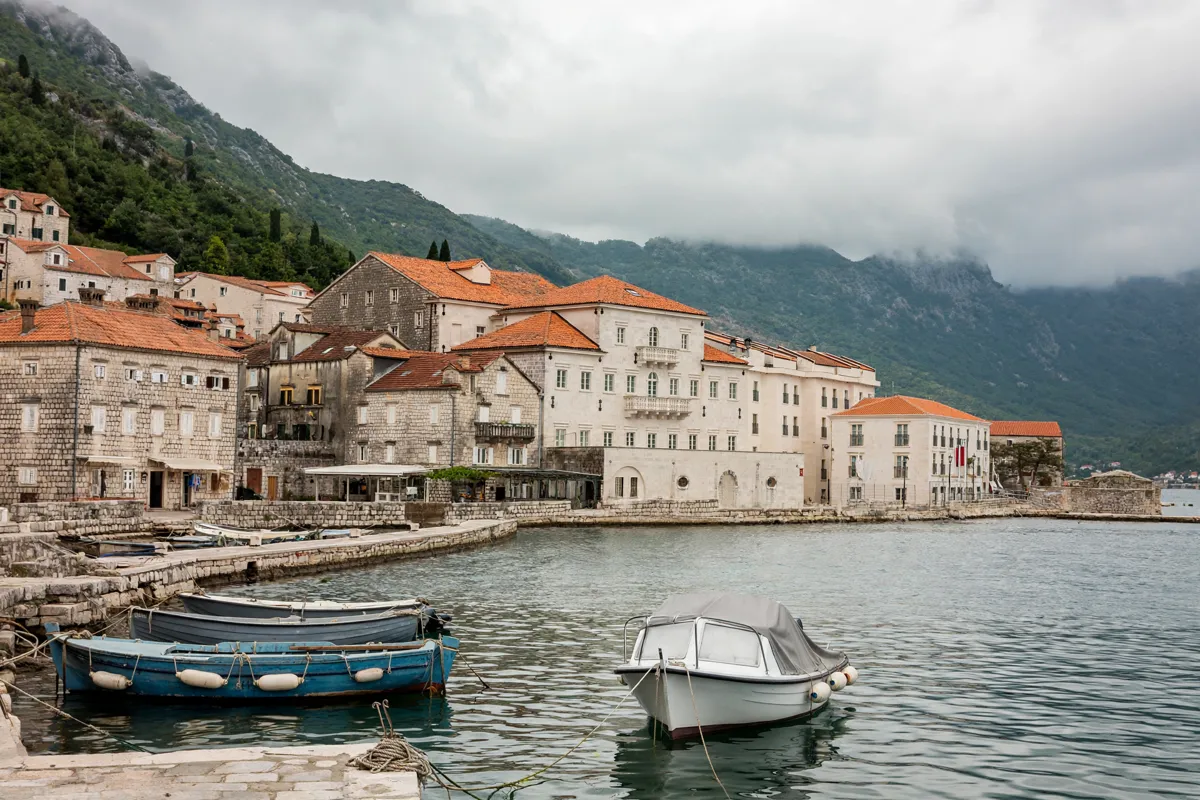
Smekja Palace occupies a central waterfront position between Perast’s old road and the coastal road, which was made in the early 20th century. St. Mark’s Church forms part of the palace complex, while the marina sits close by. Another of Perast’s historic landmarks is Zmajević Palace.
As you walk along the shore, the palace is visible beside the water. Its setting makes it easy to place among Perast’s historic buildings: the old road runs behind it, while the coastal route follows the waterfront.
What is the palace’s history?
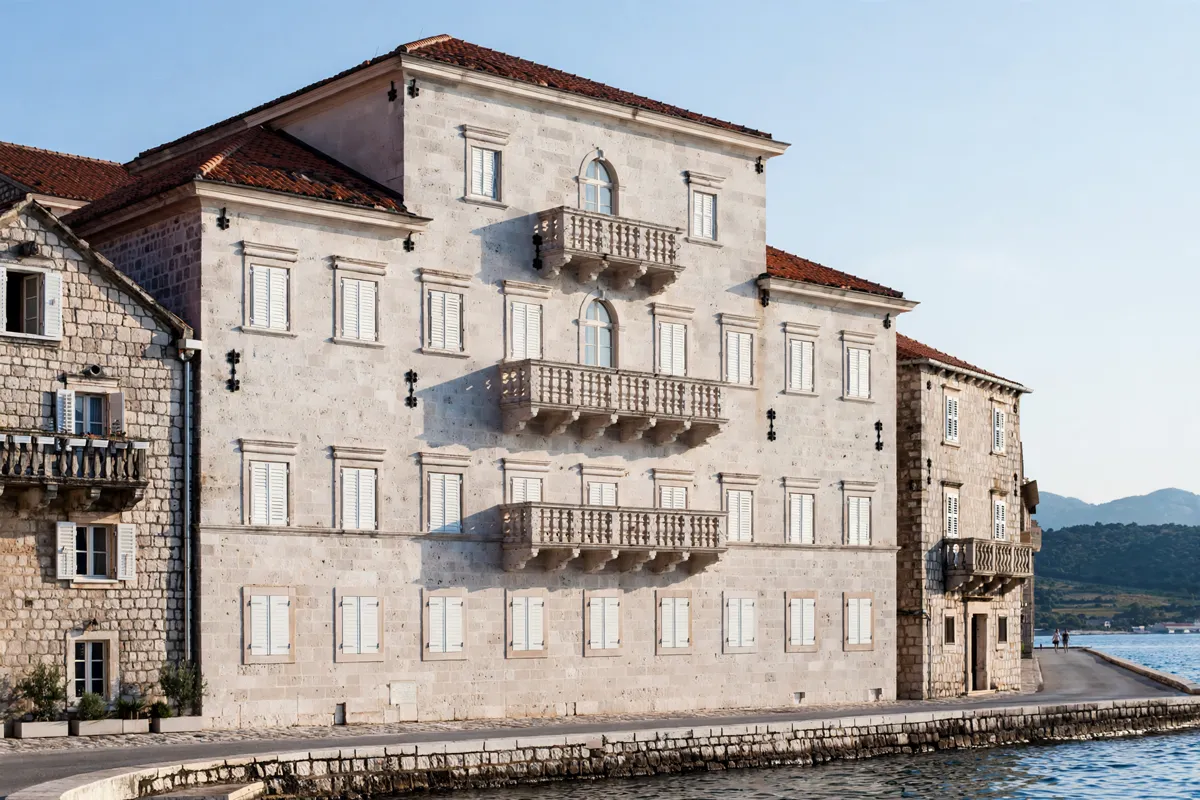
The older Baroque wing was built in 1764 by Petar Smekja. An inscription above its upper entrance records the construction date.
The Smekja family’s maritime activity is documented from the second half of the 16th century; in 1746, Petar Smekja’s ship Leon Coronato connected the Baltic countries with Venice. He received the title of count in 1748, and the family entered Kotor’s nobility in 1779.
The older wing has a ground floor, two upper floors and a belvedere. On the sea-facing first-floor level, a terrace extends along the façade; balconies with balustrades sit on the second and third levels.
The façades are built entirely of Korčula stone. At the entrance, the Čizmai brotherhood emblem shows a hand holding a plant stem, with stars associated with the Smekja family.
A second wing was begun in 1764 and completed in 1936. It follows the older wing’s style and material, and a vaulted passage over the old road joins the two parts. From 1936, the palace housed a clothing workshop for military needs, later the Jadran garment factory, which operated until the early 1990s.
What can you see around the palace?
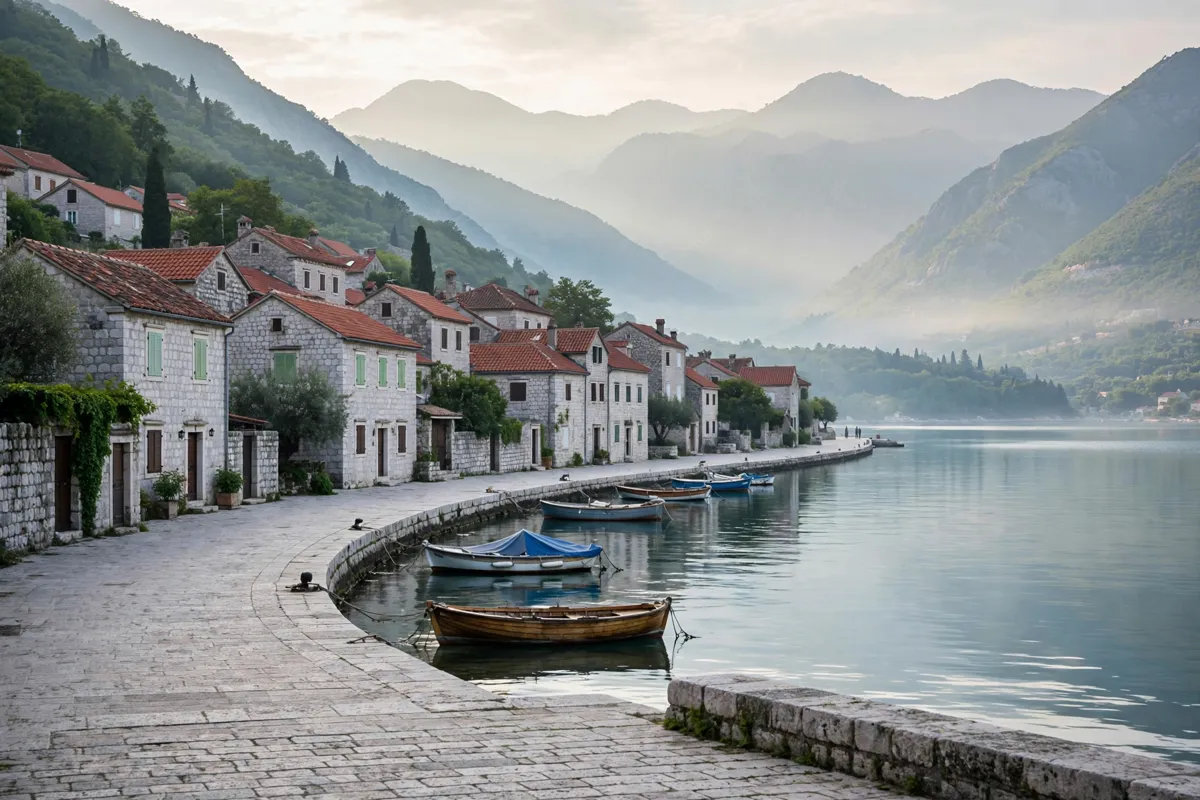
From the waterfront, you can take in the palace’s stone façades, balconies and long terrace as part of Perast’s historic shoreline. St. Mark’s Church belongs to the palace complex, and the marina is beside the building.
Perast Museum is housed in Bujović Palace, not Smekja Palace. Its collections cover maritime, ethnographic and historical-art subjects. For another landmark in town, Bujović Palace and its museum offer another look at Perast’s palace heritage.
How do you get to Perast?
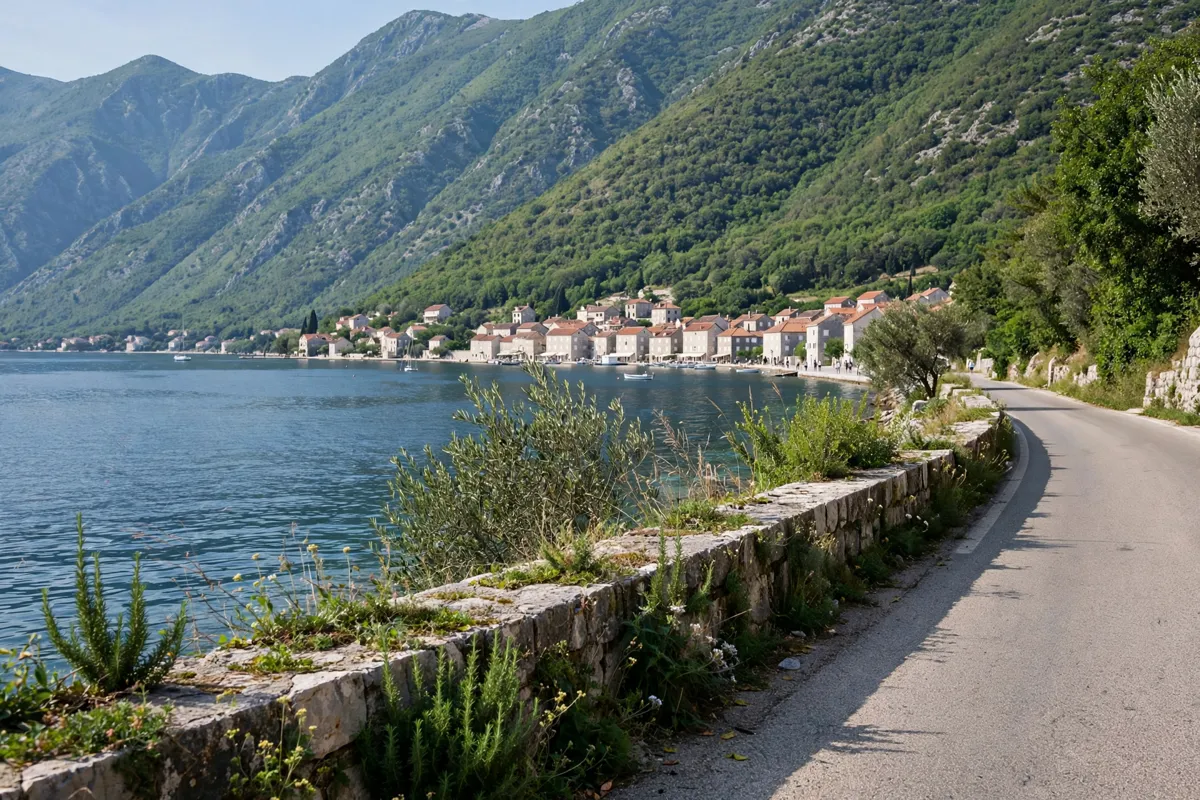
From Hotel Kamelija, Smekja Palace is about 5.0 km away and the listed drive takes about 35 minutes. Hotel Kamelija rooms are the hotel’s accommodation option in Hercegnovi.
You can reach the palace on foot through Perast, by a mountain trail from above the bay, or by kayak, boat or sailboat.
If you are planning a wider visit to town, a day trip to Perast covers the outing beyond the palace itself.
How can you check visitor access?
Smekja Palace is described as a luxury hotel, so do not assume that seeing the exterior means you can enter its interior spaces. Check the official site before you go to confirm whether non-guests may enter.
From the public lanes and waterfront, keep to areas open to pedestrians and avoid treating hotel spaces as public access. The palace’s exterior remains visible from the shore as you walk through Perast.
FAQs
Is Smekja Palace the largest palace in Perast?
Yes. The Montenegrin art-heritage lexicon identifies it as Perast’s largest palace.
Can you visit the inside of Smekja Palace?
It is described as a luxury hotel, and access for non-guests to interior spaces is not established. Check the official site before planning to enter.
Where is Perast Museum?
Perast Museum is in Bujović Palace, not Smekja Palace. Its collections include maritime, ethnographic and historical-art subjects.